An exceptional late 19th-century Victorian mantel clock by Tiffany & Co., dating to circa 1880–1890 and executed in the Aesthetic Movement style. Crafted in French black slate and richly embellished with hand-painted enamel decoration and gilt accents, this sophisticated timepiece is distinguished by its unusually elaborate case and rare enamel inserts, making it an especially desirable example for collectors of Tiffany & Co. clocks and 19th-century decorative arts.
The architectural case is formed in ebonized black slate and features finely executed enamel panels in white and blue, accented throughout with delicate gilt decoration. The combination of the deep black stone with the luminous painted enamel and gilded ornament creates a striking contrast and reflects the Victorian Aesthetic Movement's appreciation for rich materials, geometric forms, and refined decorative surfaces. The enamel inserts on the case are particularly unusual and contribute significantly to the character and rarity of the clock. The finely detailed dial and surrounding decoration display exceptional craftsmanship, with hand-painted ornament complemented by gilt detailing. The clock is fitted with a Pendule de Paris-type mechanical movement, a highly regarded French movement form widely used in fine 19th-century clocks. The movement requires winding approximately once a week.
The clock is signed and stamped Tiffany & Co., further enhancing its desirability and provenance. Its combination of Tiffany & Co. association, French movement, black slate construction, rare enamel decoration, and elaborate gilt detailing makes it an exceptional collector's piece as well as a highly decorative period furnishing.
Measuring approximately 13½ inches high, 8.3 inches wide, and 5½ inches deep, the clock has an impressive yet well-balanced scale for display on a mantel, console, library cabinet, or writing table. Its architectural silhouette and richly decorated surfaces allow it to serve as a substantial focal point within a traditional, Victorian, Aesthetic Movement, or eclectic interior. In good antique condition, with minor wear consistent with age and use.
An exceptional late 19th-century Victorian mantel clock by Tiffany & Co., dating to circa 1880–1890 and executed in the Aesthetic Movement style. Crafted in French black slate and richly embellished with hand-painted enamel decoration and gilt accents, this sophisticated timepiece is distinguished by its unusually elaborate case and rare enamel inserts, making it an especially desirable example for collectors of Tiffany & Co. clocks and 19th-century decorative arts.
The architectural case is formed in ebonized black slate and features finely executed enamel panels in white and blue, accented throughout with delicate gilt decoration. The combination of the deep black stone with the luminous painted enamel and gilded ornament creates a striking contrast and reflects the Victorian Aesthetic Movement's appreciation for rich materials, geometric forms, and refined decorative surfaces. The enamel inserts on the case are particularly unusual and contribute significantly to the character and rarity of the clock. The finely detailed dial and surrounding decoration display exceptional craftsmanship, with hand-painted ornament complemented by gilt detailing. The clock is fitted with a Pendule de Paris-type mechanical movement, a highly regarded French movement form widely used in fine 19th-century clocks. The movement requires winding approximately once a week.
The clock is signed and stamped Tiffany & Co., further enhancing its desirability and provenance. Its combination of Tiffany & Co. association, French movement, black slate construction, rare enamel decoration, and elaborate gilt detailing makes it an exceptional collector's piece as well as a highly decorative period furnishing.
Measuring approximately 13½ inches high, 8.3 inches wide, and 5½ inches deep, the clock has an impressive yet well-balanced scale for display on a mantel, console, library cabinet, or writing table. Its architectural silhouette and richly decorated surfaces allow it to serve as a substantial focal point within a traditional, Victorian, Aesthetic Movement, or eclectic interior. In good antique condition, with minor wear consistent with age and use.

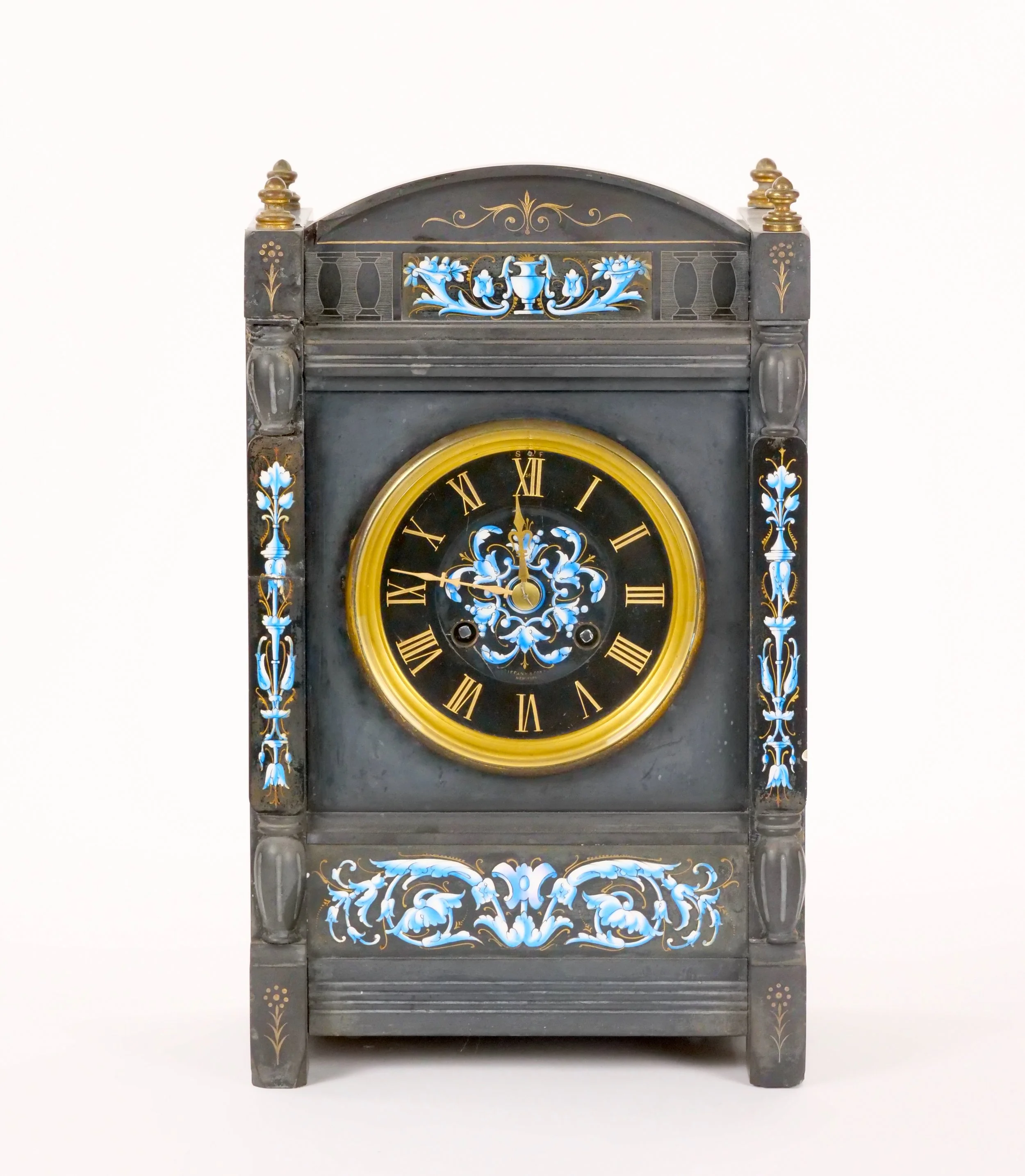 Image 1 of 19
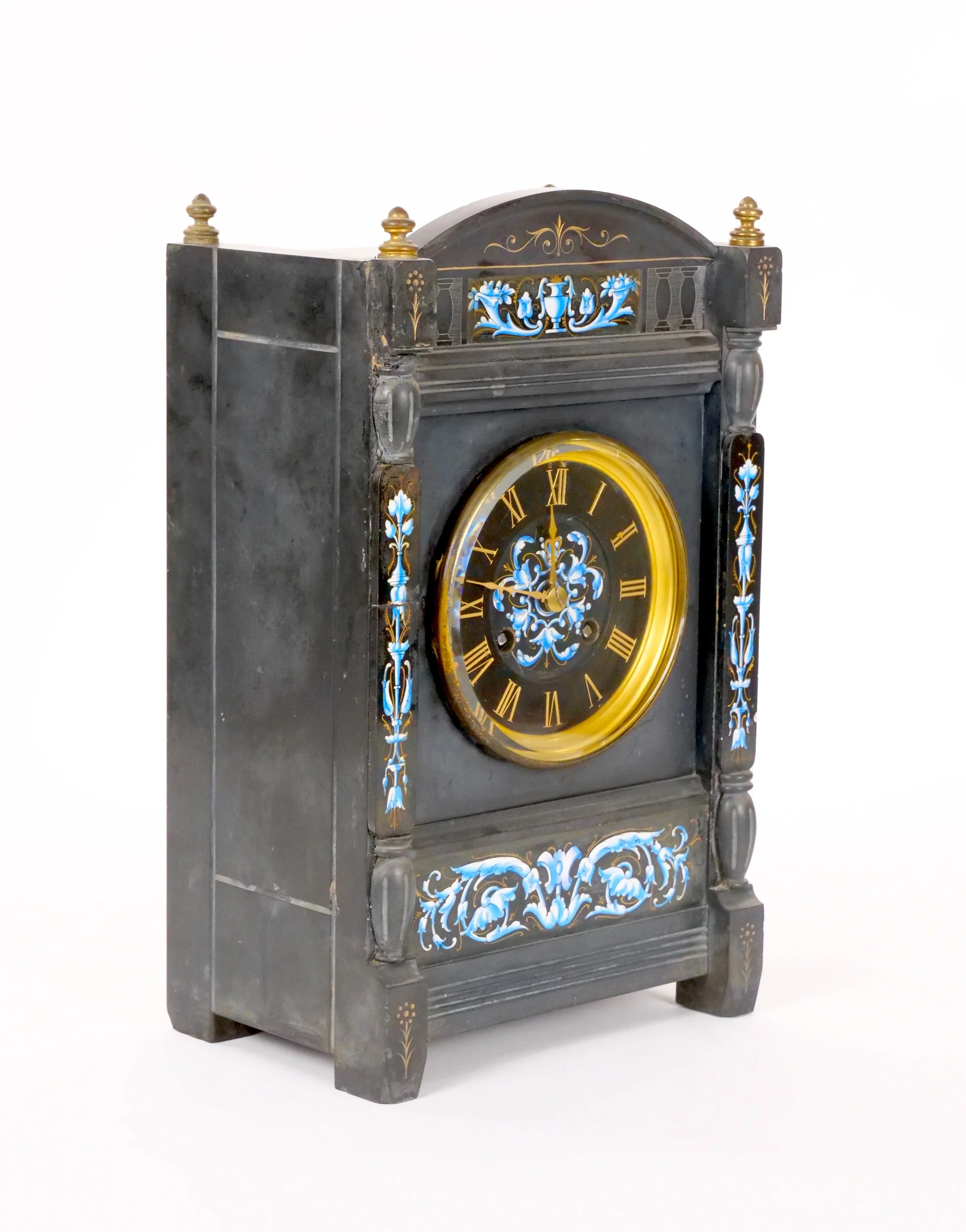 Image 2 of 19
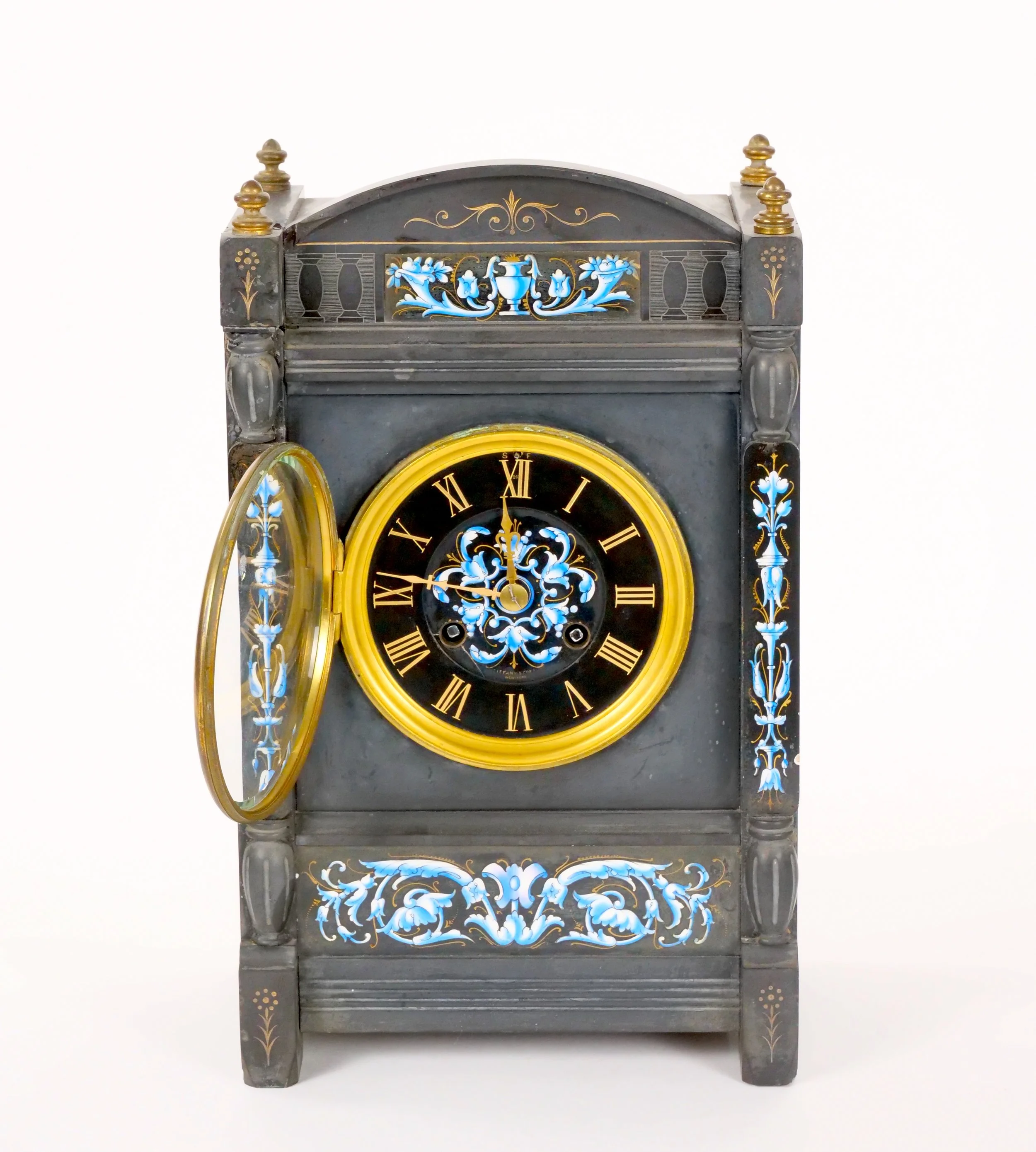 Image 3 of 19
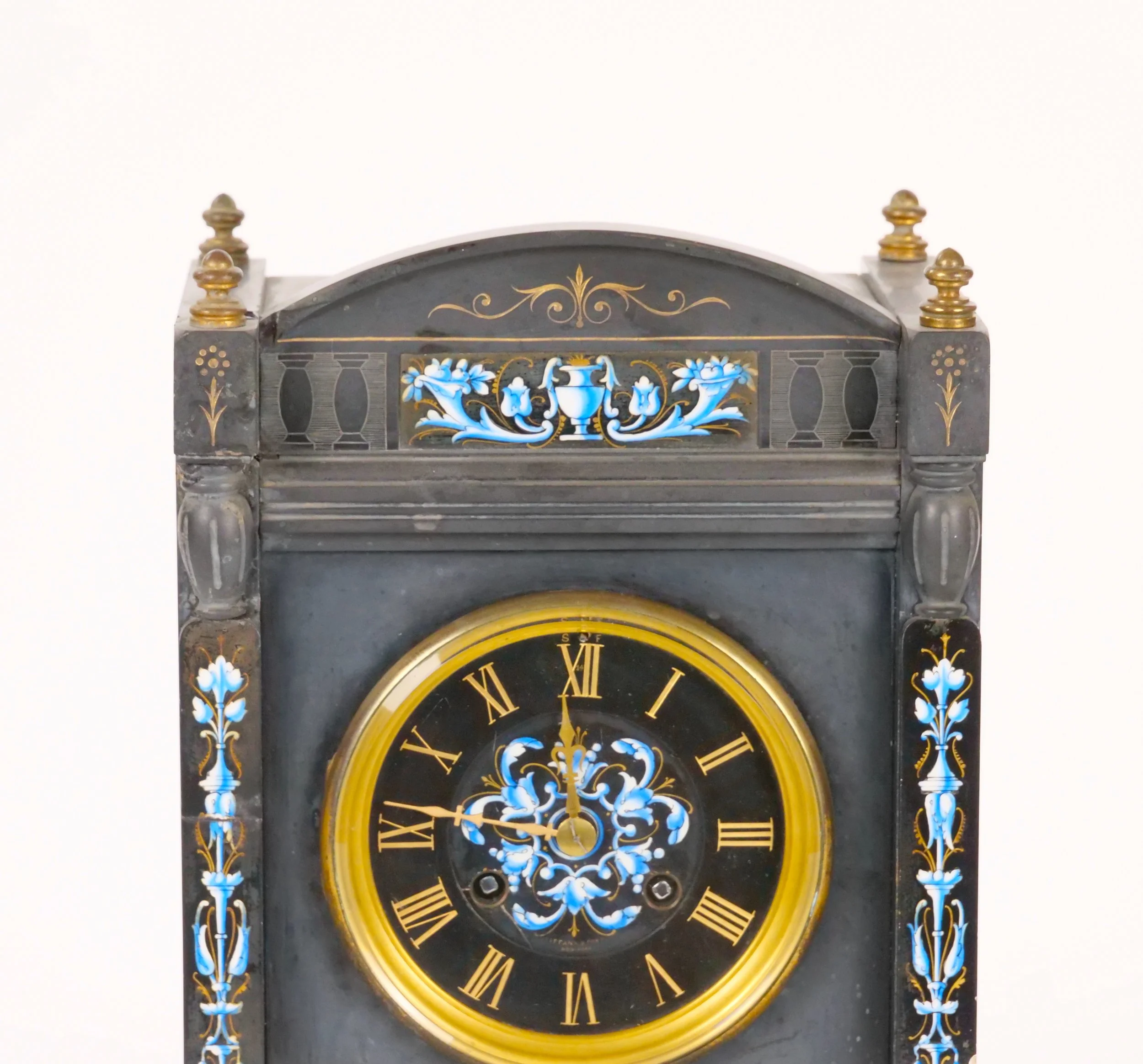 Image 4 of 19
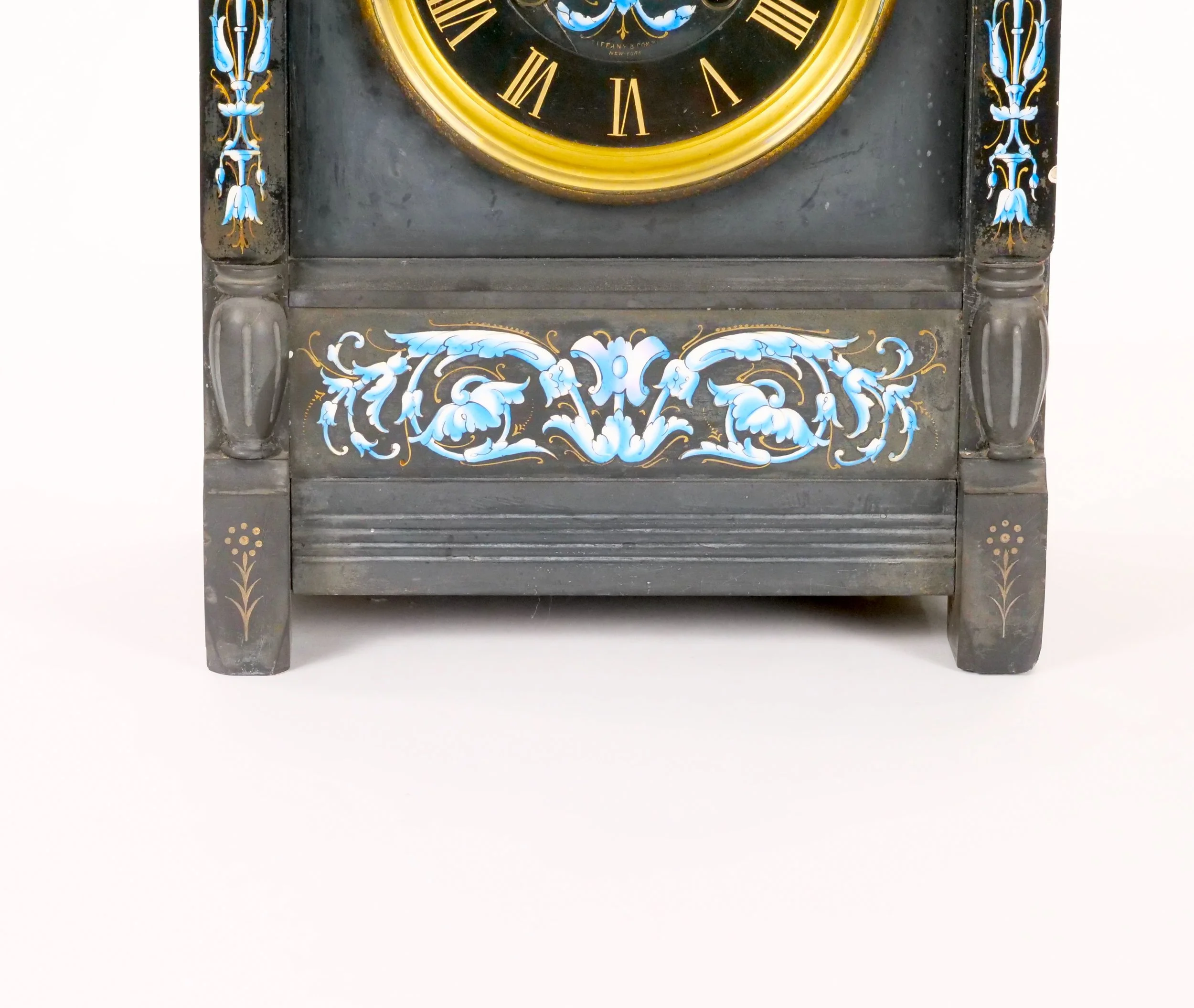 Image 5 of 19
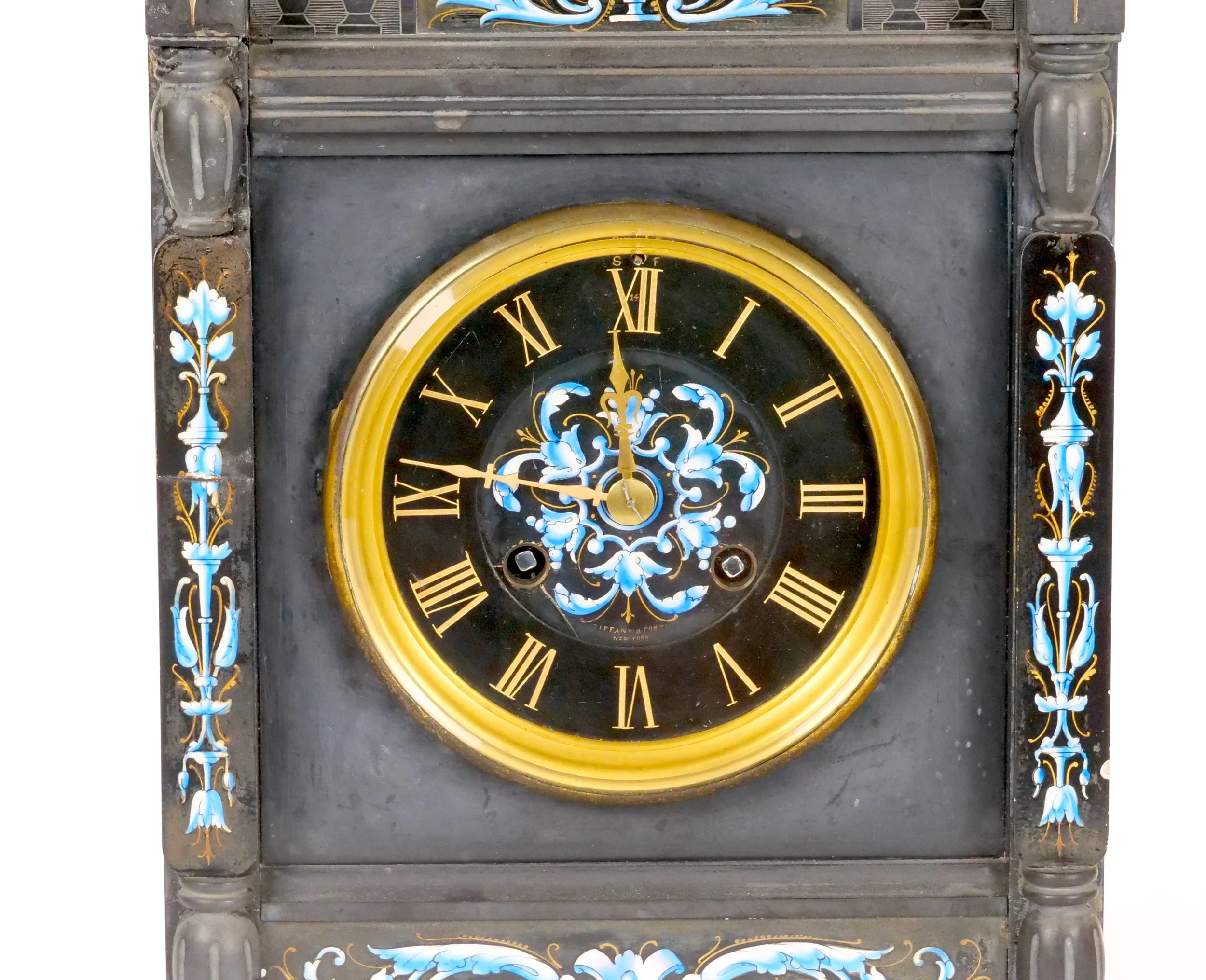 Image 6 of 19
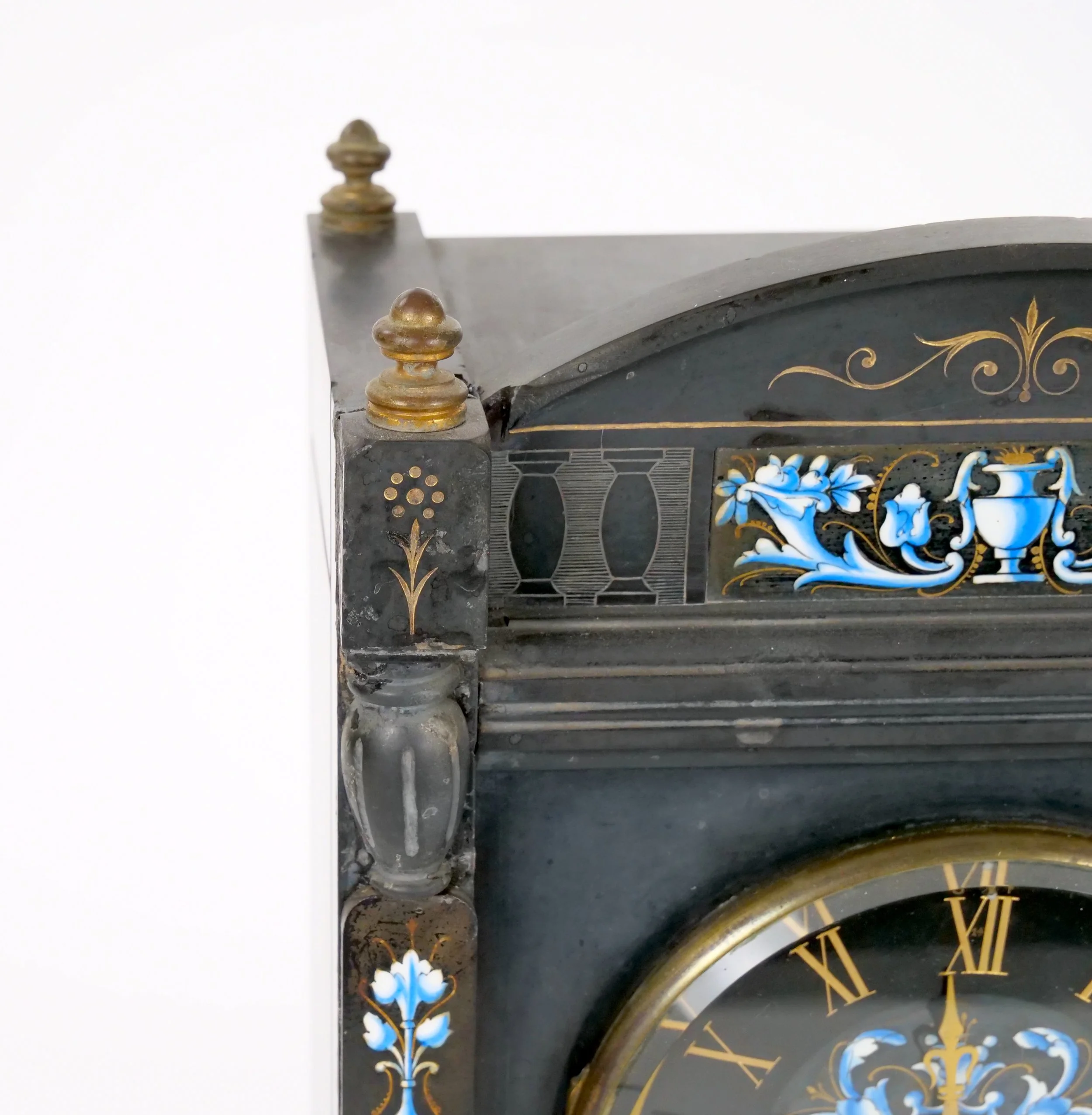 Image 7 of 19
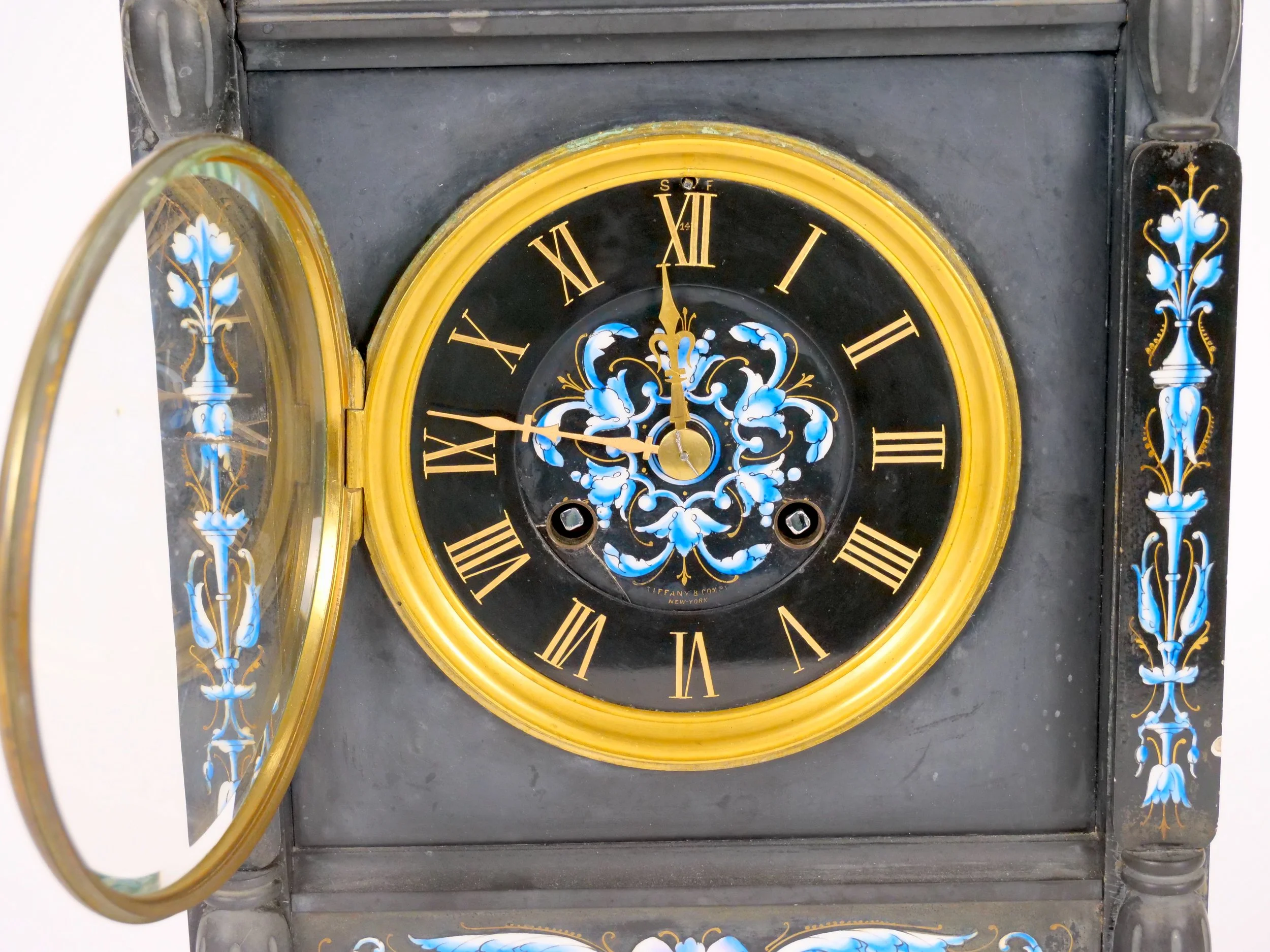 Image 8 of 19
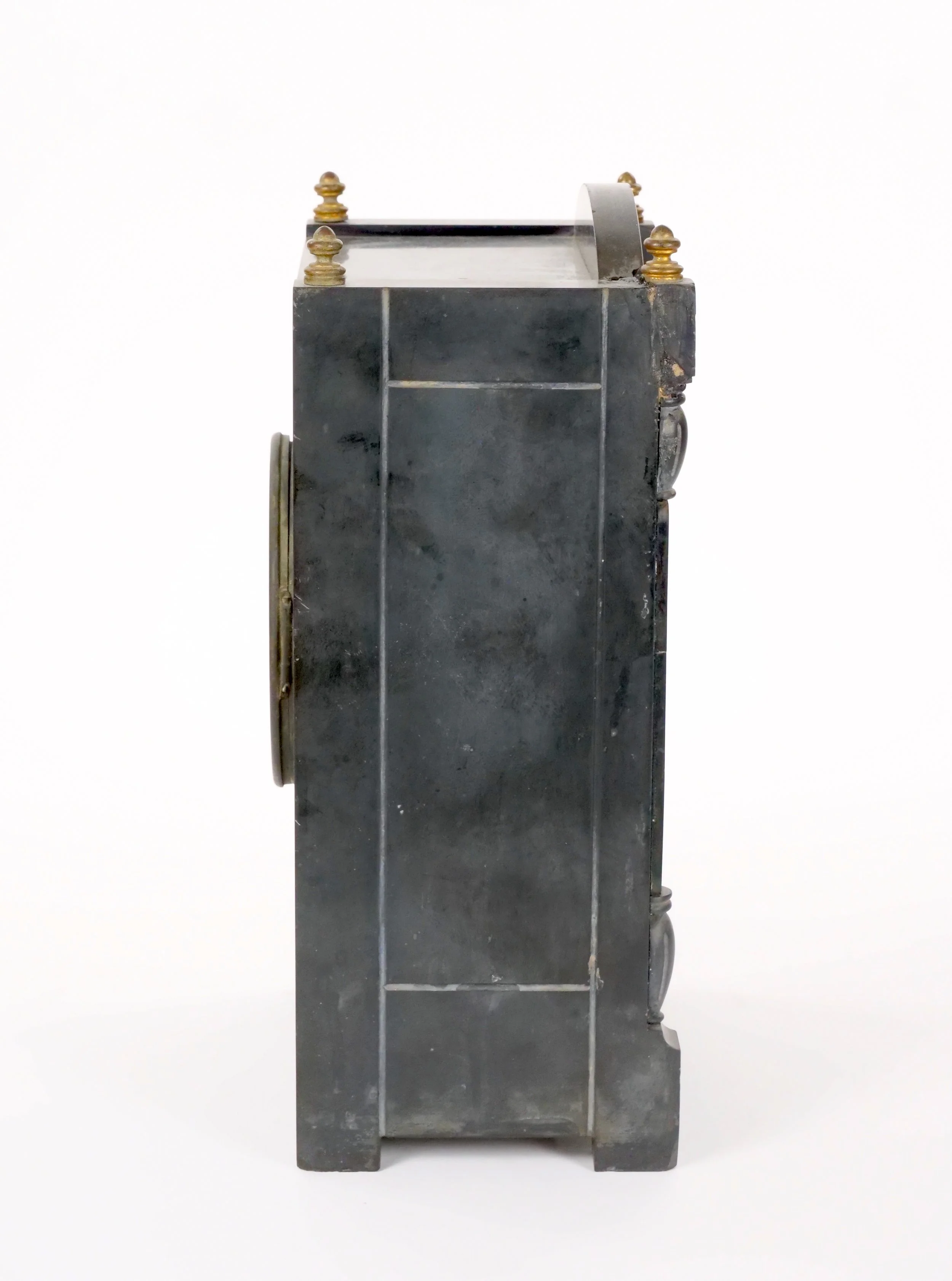 Image 9 of 19
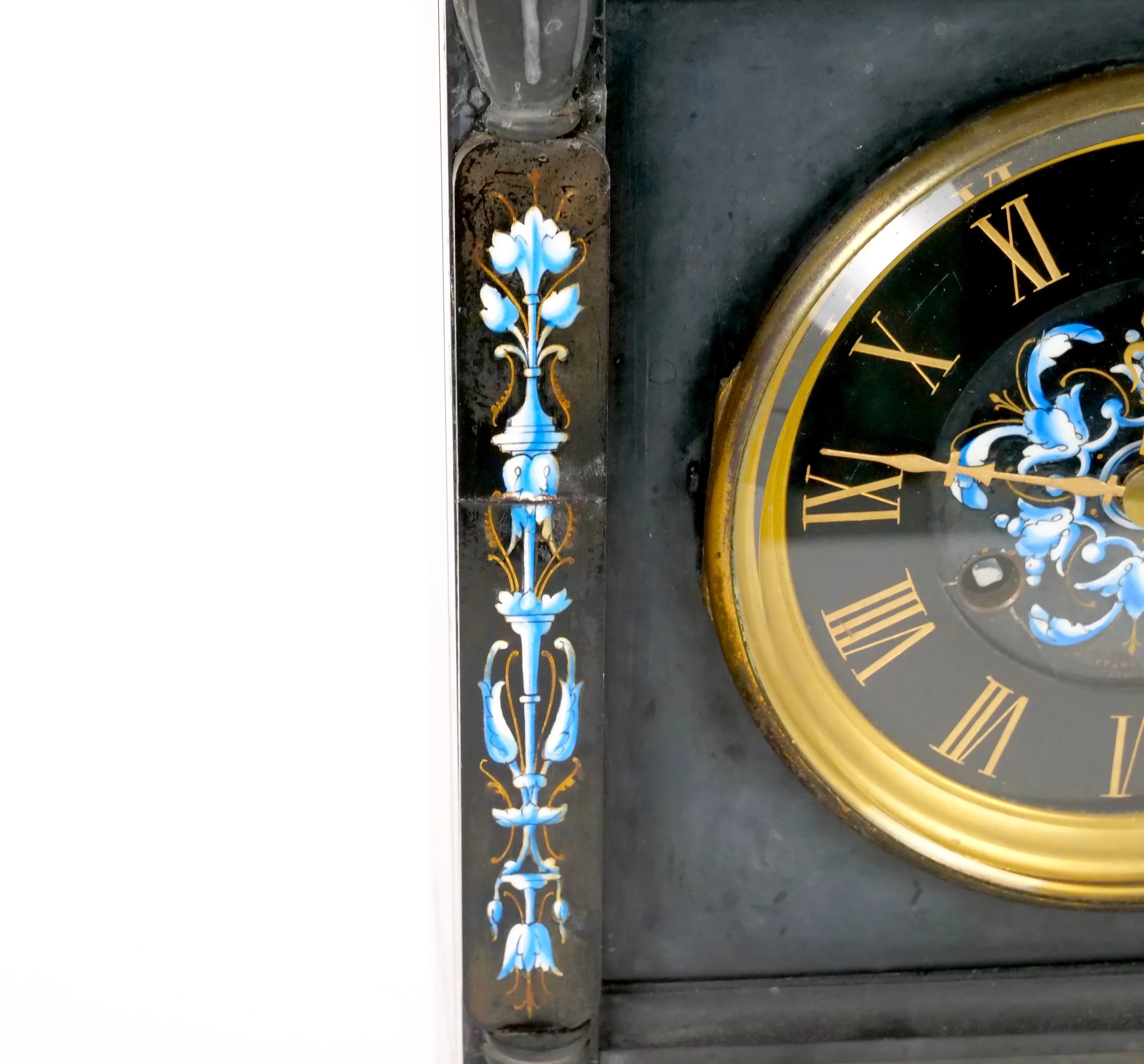 Image 10 of 19
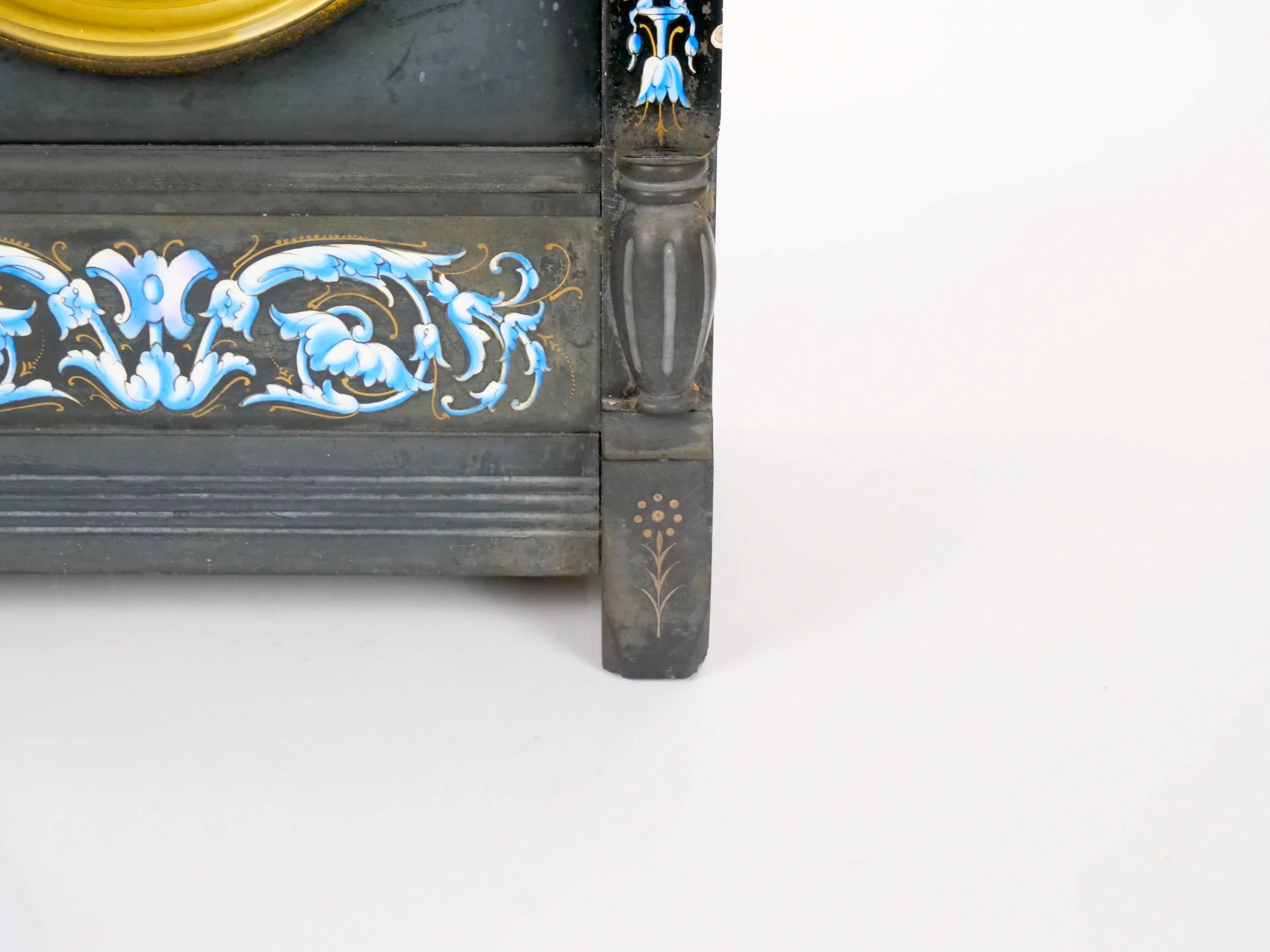 Image 11 of 19
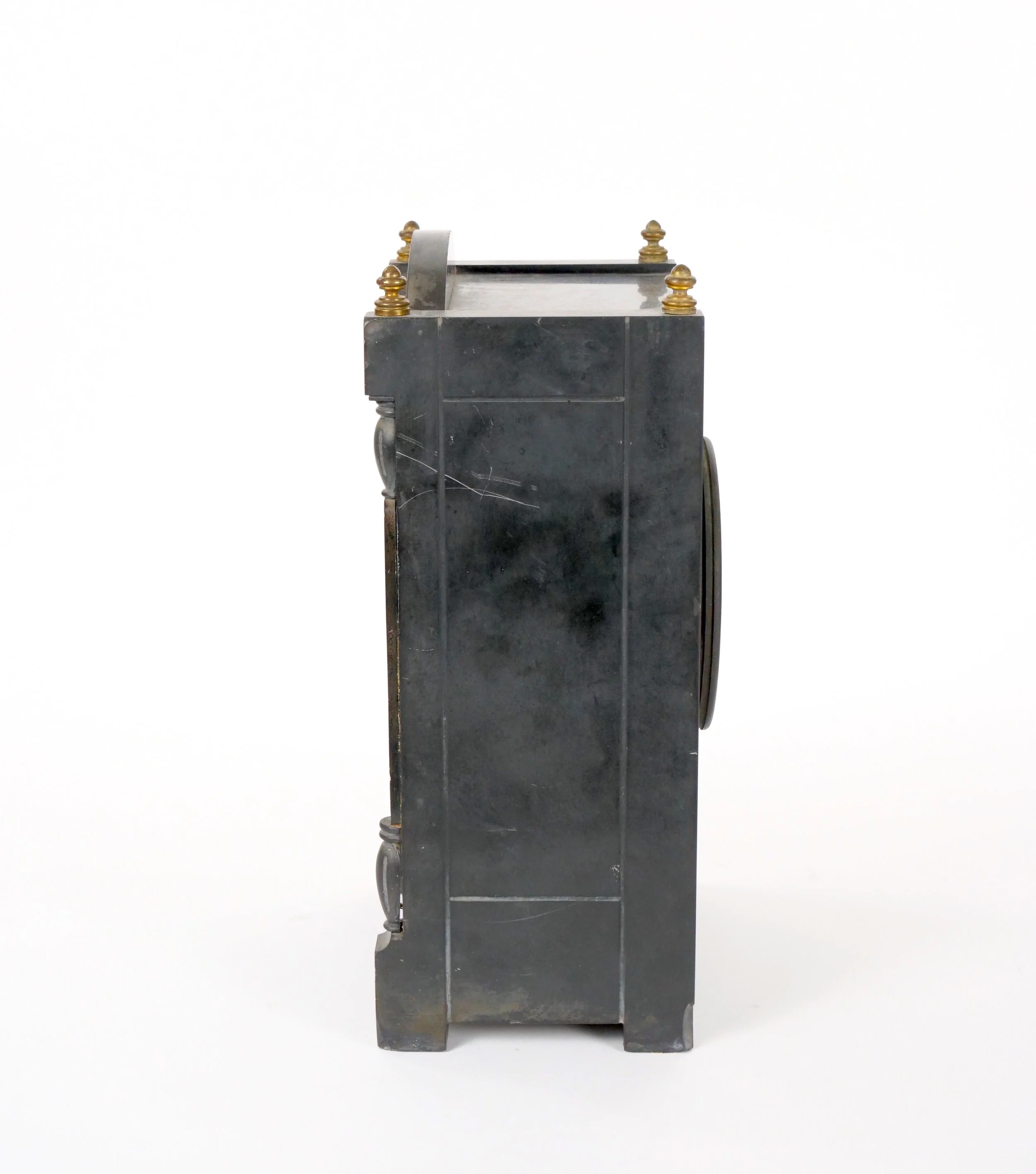 Image 12 of 19
 Image 13 of 19
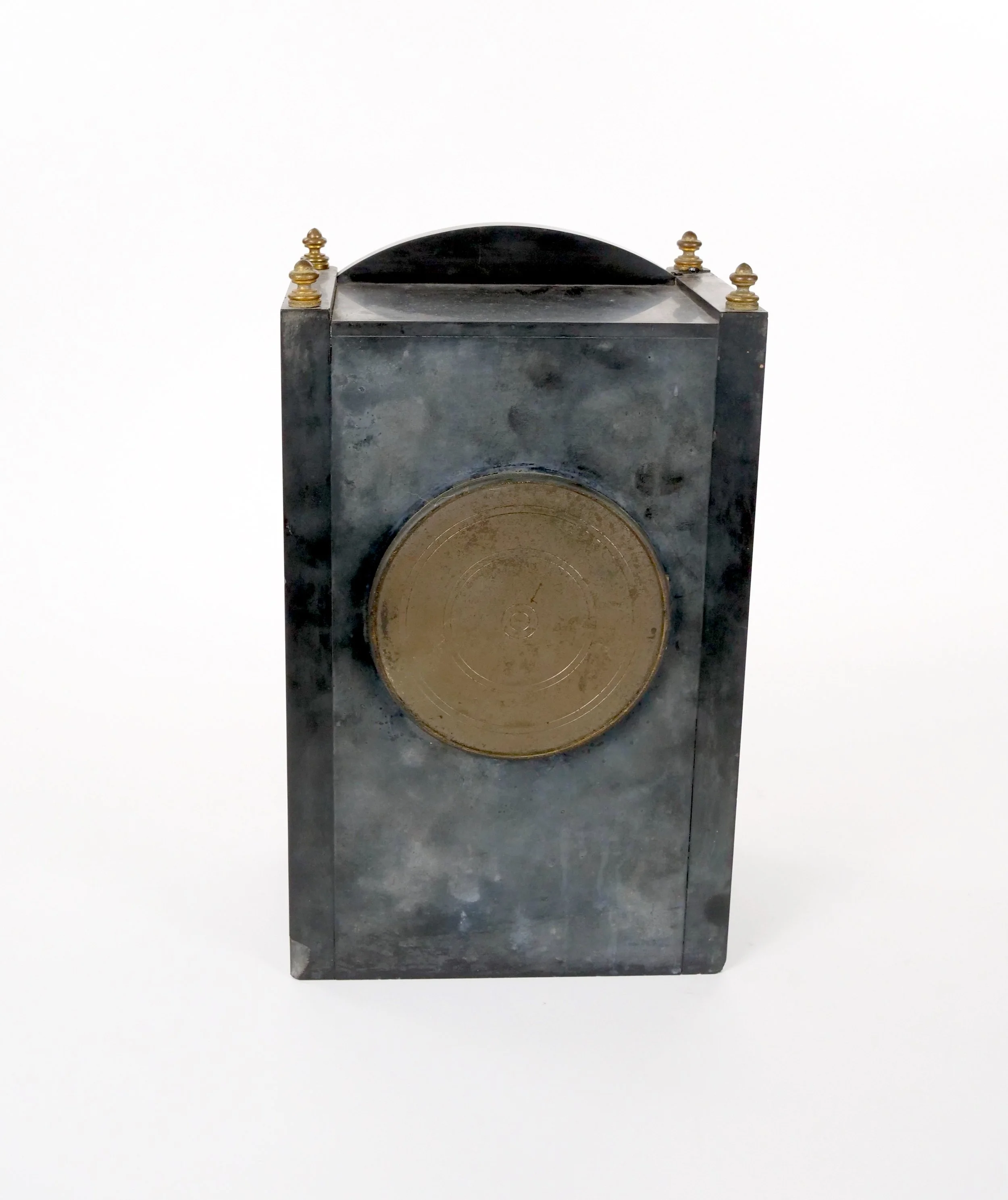 Image 14 of 19
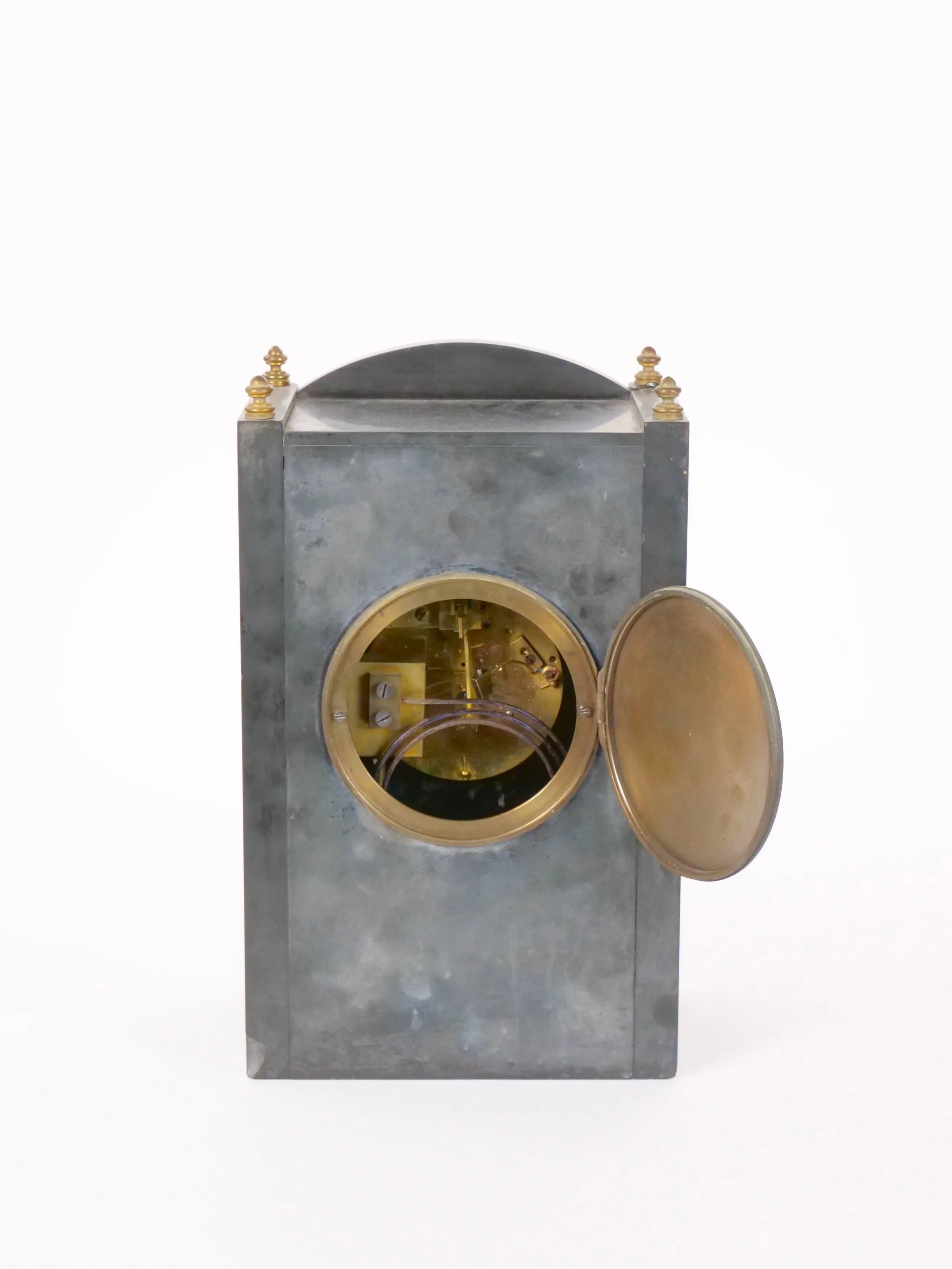 Image 15 of 19
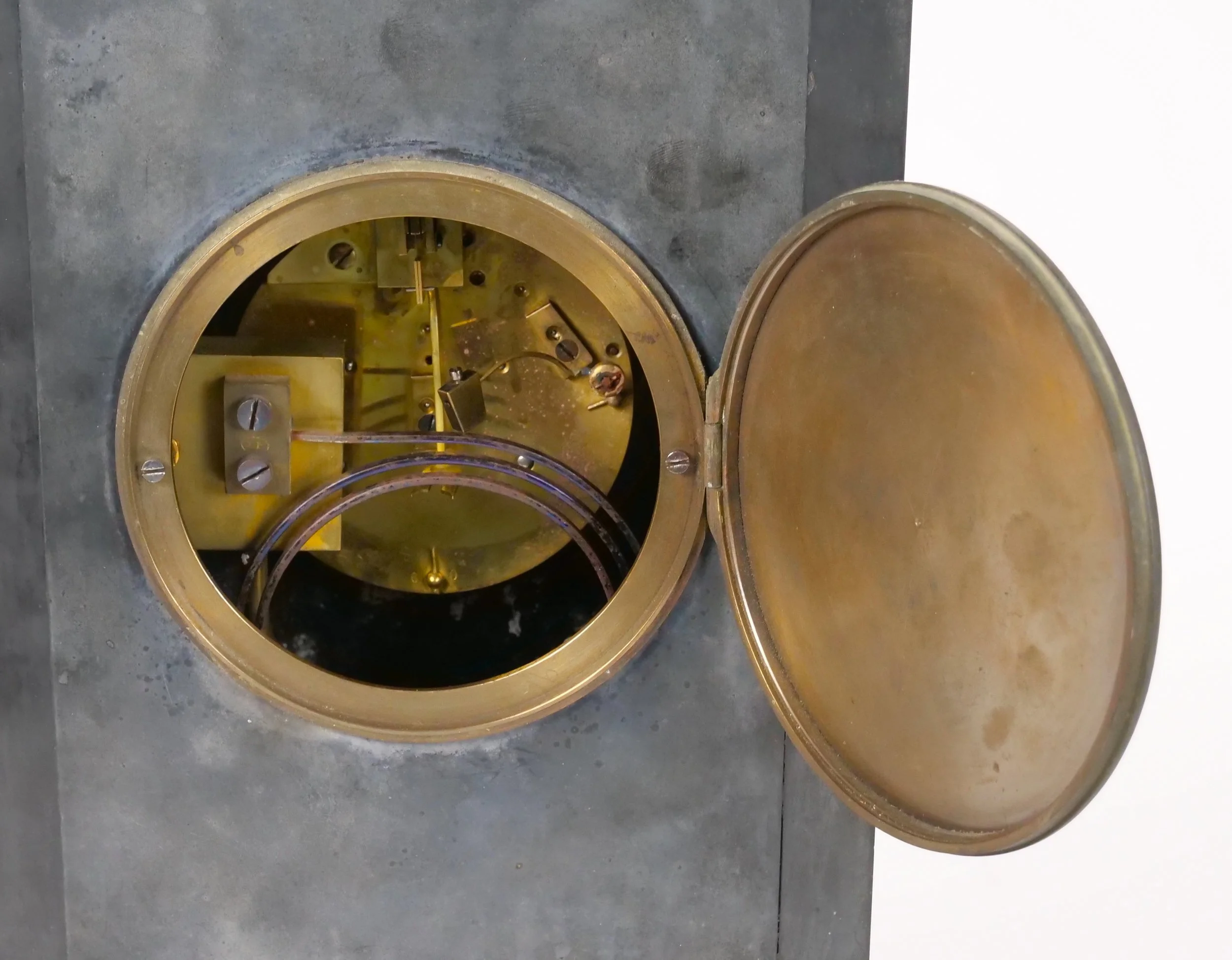 Image 16 of 19
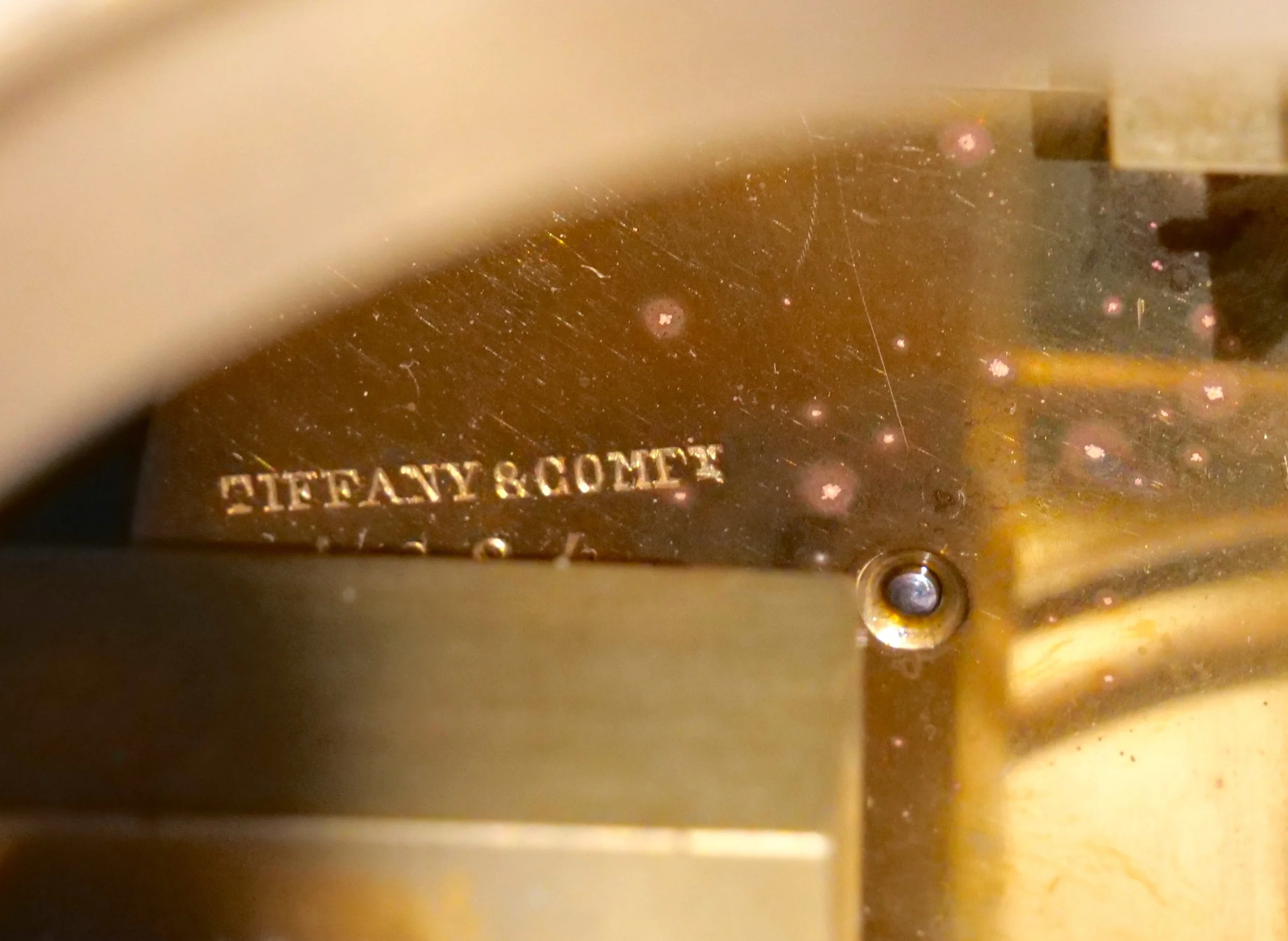 Image 17 of 19
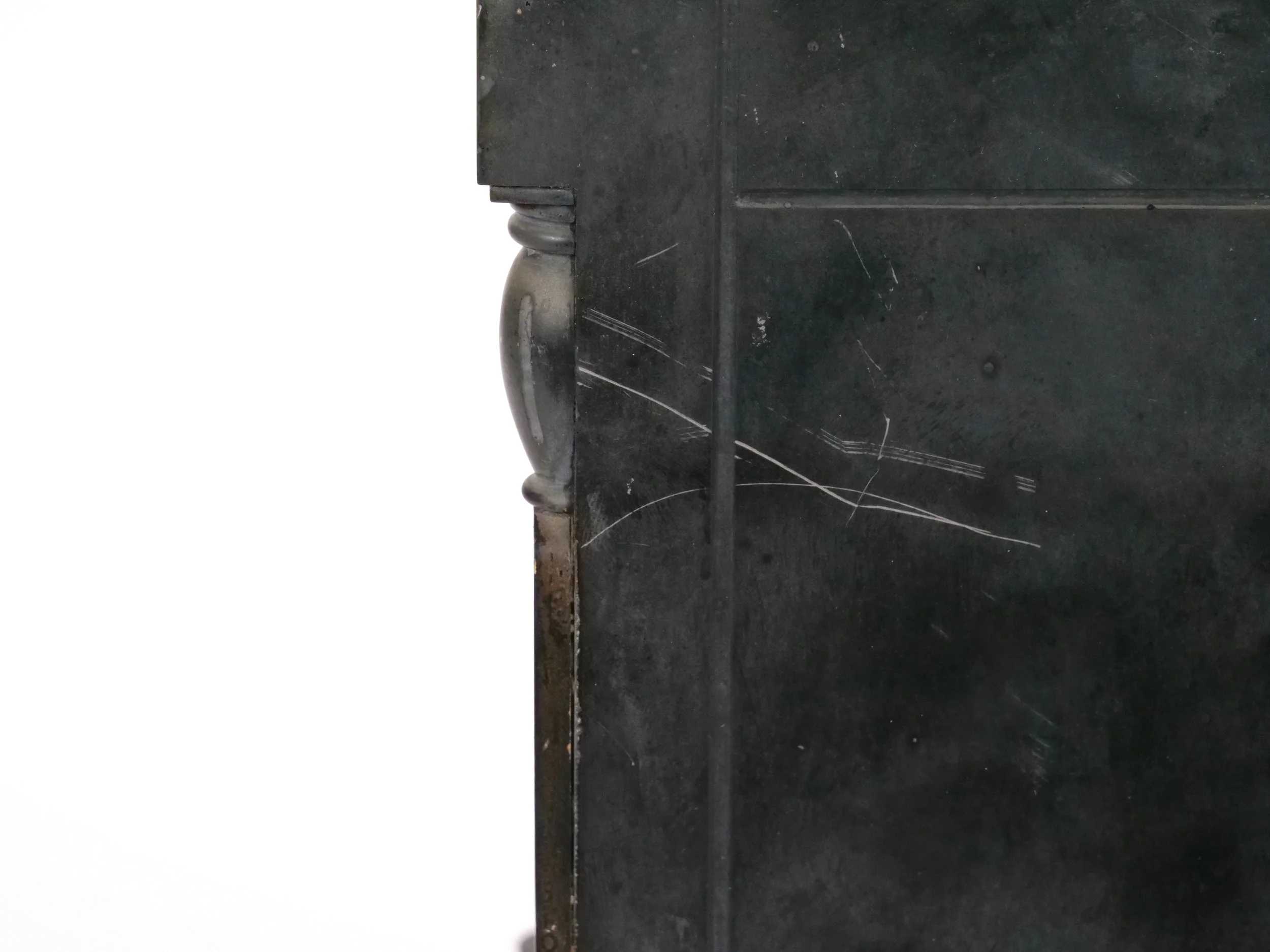 Image 18 of 19
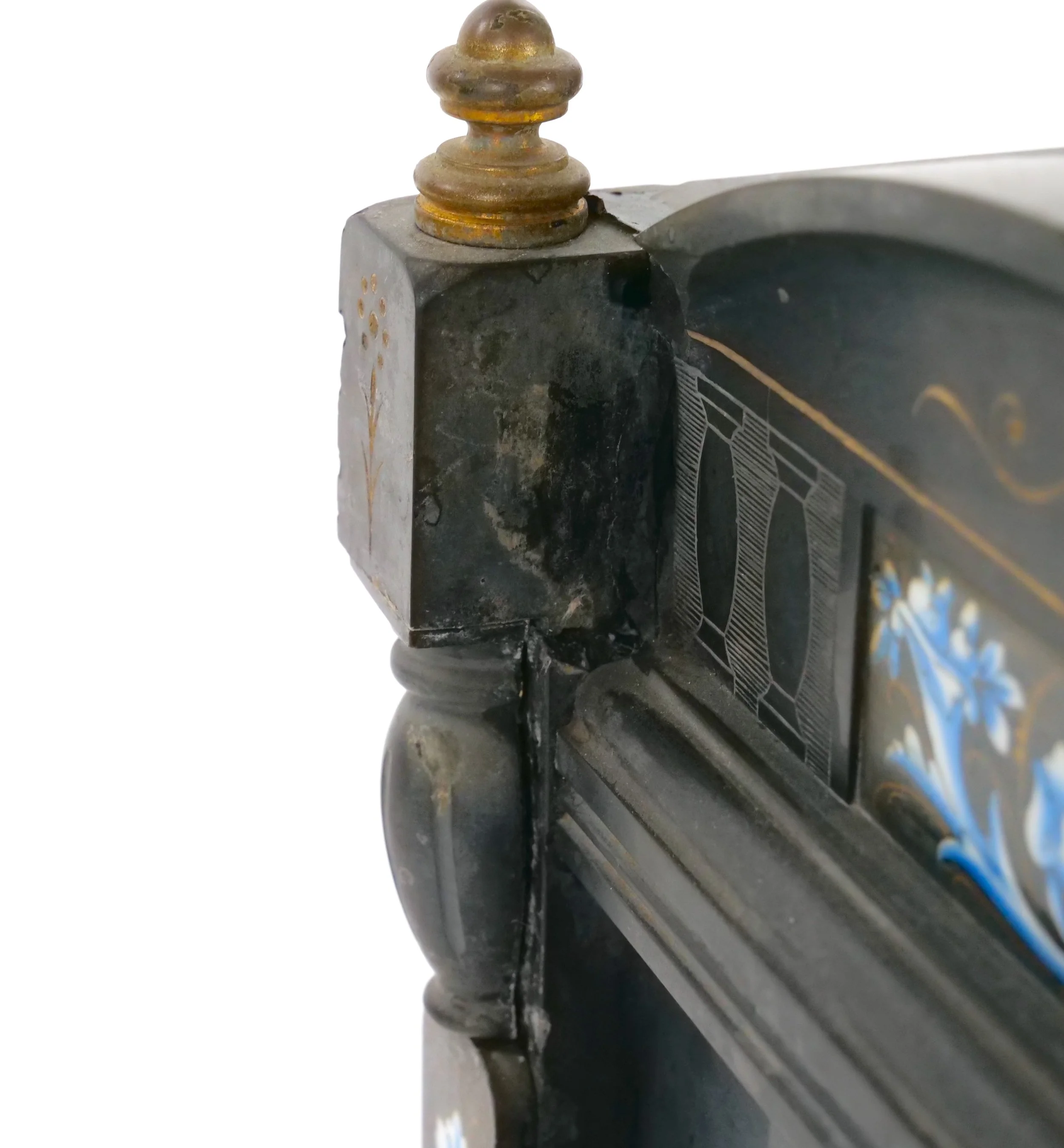 Image 19 of 19